
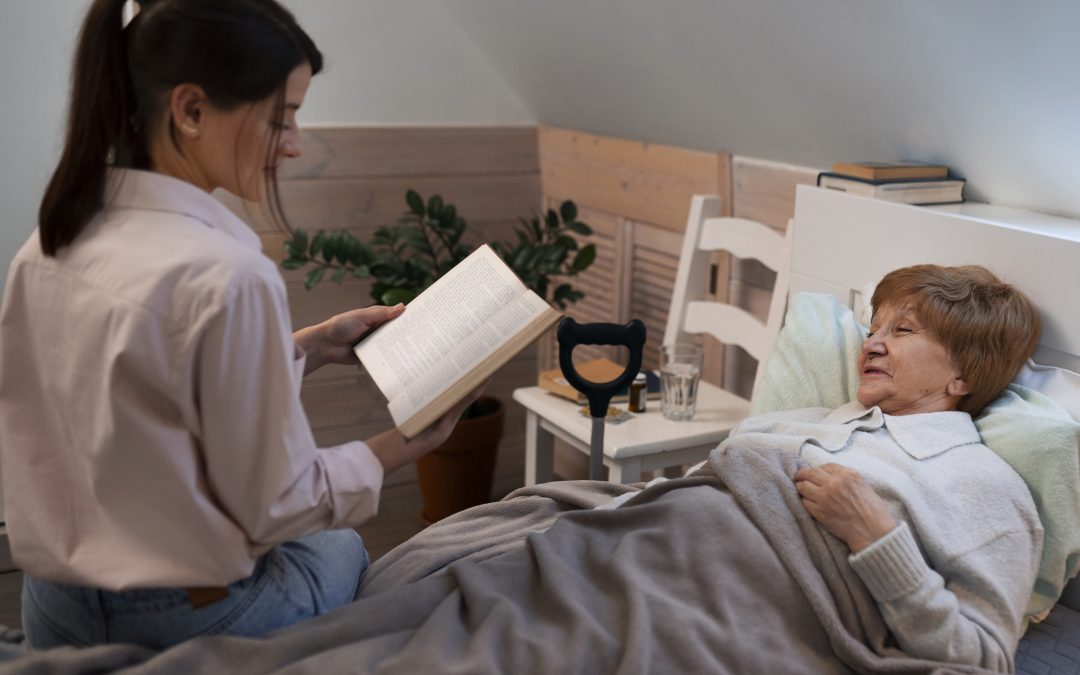
What families are deciding between
As dementia progresses, support needs shift from reminders and companionship to safety supervision, mobility help, and medical coordination. The core choice becomes: structured home support or a dementia nursing home malaysia with 24/7 oversight.
How home-based dementia care works
- Routines first: consistent wake, meals, meds, walks, and rest to reduce agitation
- Environment cues: large labels, contrasting colours on toilet seat/door, clear pathways
- Safety add-ons: door alarms, night lights, stove locks, GPS tag if wandering risk
- Care team: trained caregiver daily; periodic nurse visits for meds/skin; GP follow-ups
- Family role: gentle redirection, short choices (“tea or water?”), calm tone, photo prompts
What dementia nursing homes provide
- 24/7 supervision and incident response
- Dedicated memory-care activities: music, sensory corners, reminiscence stations
- On-site clinical support: nurses monitor skin, hydration, weight, and infections
- Group structure: set times for meals, exercise, and calming evening routines
- Secure layout: controlled exits, garden paths designed for safe wandering
Decision guide (green/yellow/red flags)
- Green (home is OK): manageable wandering, no recent falls, meds taken with prompts, caregiver coverage reliable
- Yellow (review soon): increasing night wandering, two near-falls in a month, weight loss, carer burnout
- Red (consider facility): repeated unsafe exits, multiple falls, dehydration/infections, aggressive distress that home cannot de-escalate safely
Stimulation that actually helps (home or facility)
- Simple chores (fold towels, sort cards) for purpose
- Music from youth years; sing-along beats passive TV
- Gentle movement: seated marches, short garden walks
- Memory trays: old photos, familiar fabrics, favourite snacks (if safe)
Safety checklist for home today
- Remove loose rugs; add non-slip mats
- Night lights bed → bathroom; lock cleaning chemicals
- Hide duplicate keys; use door chimes
- Label rooms and drawers with words + pictures
- Keep a meds list, emergency contacts, and allergy card by the phone
Transition planning (if moving to a home)
- Visit at the time of day your loved one struggles most; observe staffing and noise
- Ask about personalisation (own photos, bedding, prayer routines)
- Confirm hydration & nutrition monitoring, skin checks, and fall-prevention protocol
- Share a one-page “About Me”: preferred name, foods, calming songs, life highlights
Questions to ask any provider
- Staff-to-resident ratio on days and nights
- Dementia-specific training & de-escalation methods
- Medical escalation pathway (doctor access, hospital transfers)
- Activity calendar + individual engagement tracking
- Communication updates (WhatsApp notes, monthly reviews)
Cost notes (high-level)
- Home care scales by hours and care level; nights and public holidays cost more
- Facilities charge by room type, care level, and clinical add-ons (wound care, special diets)
- Reassess quarterly—needs (and therefore costs) change
Bottom line
Choose the setting that keeps your loved one safe, calm, and engaged—and that your family can sustain. Many families blend both: start at home with trained dementia care, then transition to a memory-care unit when round-the-clock supervision is needed.
Need help weighing options? Visit our Contact page.
