
What it is (quick overview)
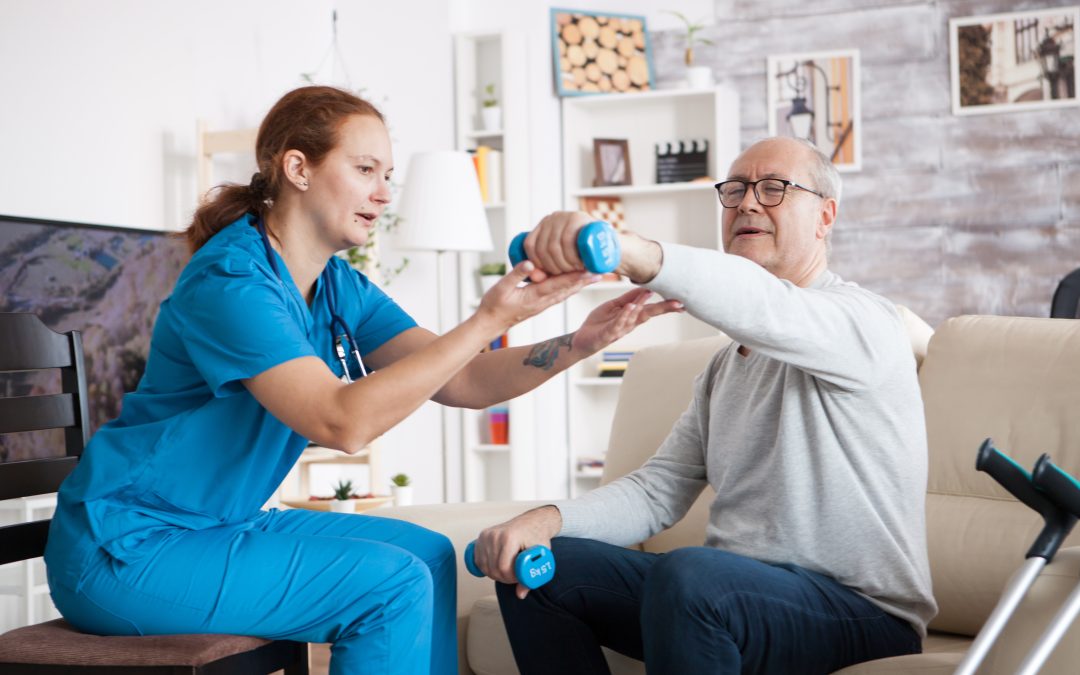
Nursing home physiotherapy provides structured rehab within a facility—delivered by a licensed physiotherapist—focusing on mobility, balance, strength, pain reduction, and safe transfers after illness, surgery, or decline.
Goals you can expect
- Restore safe walking and transfers
- Reduce fall risk and joint pain
- Rebuild strength and endurance
- Improve balance, posture, and confidence
- Teach safe techniques to staff and family
How it works in nursing homes
- Environment: gym corner or therapy room with parallel bars, steps, pedals
- Frequency: typically 2–5 sessions/week, 30–60 minutes
- Therapist support: closer supervision, easier escalation to nurses/doctors
- Documentation: standardised tests (TUG, 5x Sit-to-Stand), clear progress notes
How home rehab differs
- Personalised to your layout: door thresholds, actual bathroom, real bed height
- Family involvement: caregiver learns cues and safe assists for daily carryover
- Equipment-light: resistance bands, chair, towel, staircase railings
- Schedule flexibility: short, frequent sessions fit meal and medication times
Pros & cons (at a glance)
Nursing home physiotherapy
- Access to equipment and on-site nursing
- Fewer distractions, easier intensity control
– Less practice in the real home environment
– Travel/transition required if not resident
Home rehab
- Real-world practice (bathroom, stairs, bed transfers)
- Strong family/caregiver training and buy-in
– Limited equipment; space constraints
– Requires consistent family follow-through
A typical session (either setting)
- Warm-up/mobility: ankle pumps, heel slides, gentle trunk turns
- Strength: sit-to-stand, step-ups, resistance band rows/presses
- Balance: narrow stance, semi-tandem, weight shifts with support
- Gait training: walker or cane fitting, pacing, turns, safe step length
- Cool-down & education: breathing, hydration, next steps
Safety first
- Use sturdy footwear, no loose rugs, good lighting
- Chair with arms for rest stops
- Stop for dizziness, chest pain, or unusual shortness of breath; inform clinician
- Keep a water bottle nearby; track pain (0–10) before/after
Simple home exercises (starter set)
- Sit-to-Stand: 5–8 reps, 2–3x/day from a sturdy chair
- Heel Raises at Counter: 10 reps, 1–2x/day holding the edge
- March-in-Place (Supported): 30–60 seconds
- Ankle Pumps (Seated): 20 reps to reduce swelling/stiffness
(Only begin with therapist/doctor clearance.)
Tracking progress that matters
- Function: time to stand up 5 times; distance/time walked without stopping
- Balance: ability to stand feet-together for 10–30 seconds safely
- Pain & fatigue: keep a simple log; look for trends over 2 weeks
- Carryover: fewer near-falls, easier bathroom transfers, smoother bed mobility
How to choose between them
Choose facility-based therapy when medical needs are higher, equipment is essential, or motivation needs structured oversight. Choose home rehab if safety can be managed at home and daily-life practice is the priority. Many families do both: a short facility block → transition to home sessions.
Conclusion
Both paths aim for the same thing—safer movement and more independence. Pick the setting that your loved one will consistently attend and that best supports daily life at home.
Need guidance? Visit our Contact page.
